สามารถเพิ่มเพื่อนผ่านไลน์เป็นทางการได้ที่


แนะนำสมุนไพรสูตรใหม่ !!
ยาน้ำสมุนไพร X-Green
ต้นตำหรับยาอนุวัฒนะจากราชวงศ์จีน
สมุนไพรมีชื่อเสียงมาช้านานไม่ต่ำกว่า 5,000 ปี ดังทั้งหลายๆ ท่านเคยได้ยินอยู่เสมอว่า “ความอมตะหนุ่มสาวสองพันปี” ในสมัยอดีตยาอนุวัฒนะขนานเอกจะมีใช้กันในเฉพาะราชวงศ์จักรพรรดิ์และเชื้อพระวงศ์ชั้นสูงเท่านั้น แต่ต่อมาได้มีการนำมาแพร่หลายในหมู่คณะจนกระทั้งมาถึง ณ ปัจจุบันและยุคโลกาภิวัตน์ สมุนไพรก็ยังเป็นนิยมของโลกอนาคต ลำดับ 1
สมุนไพรในอดีตจนมาถึงปัจจุบัน ได้มีการพัฒนาจากการใช้เป็นยารักษาอย่างเดียวในสมัยก่อนเปลียนกลับมาเป็นการเสริมและป้องกันการเสื่อมโทรมของสุขภาพ การแก่ก่อนวัยอันควร เนื่องจากปัจจัย 4 ทั้งหลาย การบริโภคอาหารที่มีสารไม่ครบถ้วนและมีสารพิษตกค้าง ทำงานหนัก พักผ่อนน้อยขาดการออกกำลังกาย ปัญหาทางเศรษฐกิจ ทำให้ร่างกายเกิดอาการเครียดนอนไม่หลับสิ่งเหล่านี้ล้วนเป็นที่มาของการเกิดโรค มาเสริมภูมิต้านทานโรคให้กับตัวเอง


สมุนไพรมีชื่อเสียงมาช้านานไม่ต่ำกว่า 5,000 ปี ดังทั้งหลายๆ ท่านเคยได้ยินอยู่เสมอว่า “ความอมตะหนุ่มสาวสองพันปี” ในสมัยอดีตยาอนุวัฒนะขนานเอกจะมีใช้กันในเฉพาะราชวงศ์จักรพรรดิ์และเชื้อพระวงศ์ชั้นสูงเท่านั้น แต่ต่อมาได้มีการนำมาแพร่หลายในหมู่คณะจนกระทั้งมาถึง ณ ปัจจุบันและยุคโลกาภิวัตน์ สมุนไพรก็ยังเป็นนิยมของโลกอนาคต ลำดับ 1 สมุนไพรในอดีตจนมาถึงปัจจุบัน ได้มีการพัฒนาจากการใช้เป็นยารักษาอย่างเดียวในสมัยก่อนเปลียนกลับมาเป็นการเสริมและป้องกันการเสื่อมโทรมของสุขภาพ การแก่ก่อนวัยอันควร เนื่องจากปัจจัย 4 ทั้งหลาย การบริโภคอาหารที่มีสารไม่ครบถ้วนและมีสารพิษตกค้าง ทำงานหนัก พักผ่อนน้อยขาดการออกกำลังกาย ปัญหาทางเศรษฐกิจ ทำให้ร่างกายเกิดอาการเครียดนอนไม่หลับสิ่งเหล่านี้ล้วนเป็นที่มาของการเกิดโรค มาเสริมภูมิต้านทานโรคให้กับตัวเอง
ผลิตภัณฑ์ยาน้ำสมุนไพรจีนX-Green
เรื่องโรคภัยไข้เจ็บเป็นเรื่องใกล้ตัวและเกิดได้กับคนทุกคน แต่ใครสักกี่คนจะรู้ว่าหากมีการดูแลเตรียมตัวป้องกันรักษาเสียแต่เนิ่นๆอาจเป็นการหลีกเลี่ยงโรคภัยไข้เจ็บเหล่านี้ไม่ให้เกิดขึ้นได้ในวัยอันควร แต่หากมีการดูแลรักษาสุขภาพให้ดีทั้งโดยการออกกำลังการอย่างน้อยวันละ 30 นาที , การทานอาหารให้ครบหมวดหมู่ พักผ่อนให้เพียงพอ งดเว้นการดื่มสุรา งดสูบบุหรี่ รวมทั้งควรเข้ารับการตรวจเช็คสุขภาพจากโรงพยาบาลอย่างน้อยปีละครั้งก็สามารถ สร้างภูมิคุ้มกันไม่ให้เกิดโรคภัยได้ทางหนึ่ง และยังมีอีกสิ่งหนึ่งเป็นส่วนเสริมให้ร่างกายมีความสมบูรณ์แข็งแรงและมีสุขภาพที่ดีแต่เนิ่นๆ นั่นคือการทานอาหารเสริมที่มีส่วนผสมสมุนไพรที่ทรงคุณค่านั่นเอง แต่ สิ่งที่เกิดขึ้นในยุคปัจจุบัน หลายชีวิตมักไม่ค่อยใส่ใจดูแลสุขภาพตนเอง และมักมุ่งเน้นทุ่มเทการทำงานเพื่อสร้างฐานะรายได้ให้มีความมั่นคงแต่เพียง อย่างเดียว และมักหลงลืมหรือขาดการเอาใจใส่ดูแลสุขภาพ และยังคิดว่าสุขภาพชิวิตประจำวันยังมีสุขภาพที่ดีอยู่ แต่หากวันใดต้องประสบปัญหาเจ็บไข้ได้ป่วย และต้องเข้าการรับการรักษาจากโรงพยาบาล นั่นแหละจะเป็นวันที่ทุกคนจะโอดครวญว่า รู้งี้ควรดูแลรักษาสุขภาพแต่เนิ่นๆเสียดีกว่าจะไม่ต้องลำบากเสียเงินเสียทอง ค่ารักษาตนเองเป็นจำนวนมา และเสียเวลานอนโรงพยาบาลนานๆ อาจขาดงานและมีผลกระทบต่อหน้าที่การงานในทีสุด
ยาน้ำสมุนไพรจีนX-Green คืออะไร ?
ยาน้ำสมุนไพรจีนX-Green คือ ยาน้ำแผนโบราณที่รวบรวมสมุนไพรไทยจีนที่มีคุณค่า เพื่อการดูแลบำรุงดูแลรักษาให้มีสุขภาพดี เพราะสมุนไพรเหล่านี้จะมีสรรพคุณดูแลรักษาระบบอวัยวะในร่างกายให้มีการทำงาน ให้เป็นปกติ มีฮอร์โมนที่มีส่วนในการกระตุ้นการล้างพิษ ลดรอยเหี่ยวย่น รอยตีนกา และฟื้นฟูสภาพผิวหน้า ควบคุมการทำงานของต่อมไร้ท่อ เพิ่มกล้ามเนื้อ ลดไขมัน เสริมอารมณ์ทางเพศ เสริมการทำงานของหัวใจ ป้องกันผมหงอกและหัวล้าน ช่วยการนอนหลับ เสริมระบบภูมิต้านทาน เสริมการทำงานของตับและตับอ่อน ปรับสมดุลต่อมน้ำเหลือง เสริมความจำและดูแลสมอง
สรรพคุณของยาน้ำX-Green
จุดเด่นของยาน้ำสมุนไพรจีนX-Green (สำหรับผู้ชาย)
สรรพคุณ เป็นเครื่องดื่มอายุวัฒนะ บำรุงร่างกาย, บำรุงกำลัง, ช่วย การไหลเวียนของโลหิตช่วยการไหลเวียนของโลหิต ช่วยให้สามารถนอนหลับได้สนิทและตื่นขึ้นมาตอนเช้าสายตาจะดีเป็นพิเศษ ใช้ได้กับชายทุกวัยทั้งวัยหนุ่มและวัยชรา หากเป็นชายวัยทอง สรรพคุณจะช่วยชะลอความชรา สร้างความสมดุลภายในร่างกาย ของหยิน – หยาง และพลังชี่ หรือพลังชายสามารถบรรลุกิจกรรมเพศสัมพันธ์ได้อย่างดี จะเสริมสร้างให้ชายที่มีสมรรถภาพทางเพศเสื่อม ก็จะกลับมาเป็นชายที่สมบูรณ์แบบอีกครั้ง ช่วยทำให้มีอารมณ์แจ่มใส คลายเครียด นอกจากนี้สรรพคุณยังช่วยดูแลผู้ที่มักประสบปัญหาสุขภาพเรื้อรัง ร่างกายอ่อนแอ ตื่นนอนสมองมึนงง ขี้หลง ขี้ลืม, ปวดหัว เครียด หงุดหงิด, อ่อนเพลีย, มีอาการของโรคเกี่ยวกับตับ, ไต, โรคเลือด, โรคหัวใจ, โรคภูมิแพ้ต่างๆ, โรคความดัน, ไขมันอุดตัน และเนื่องจากเป็นยาที่สกัดมาจากสมุนไพรจึงไม่มีผลกระทบข้างเคียงใดๆ ทั้งสิ้น ไม่มีสารสเตรอยด์
จุดเด่นของยาน้ำสมุนไพรจีนX-Green (สำหรับผู้หญิง)
สรรพคุณ บำรุงกำลัง บำรุงโลหิต แก้อ่อนเพลีย ใช้หลังการคลอดบุตรแทนการอยู่ไฟ ช่วยการไหลเวียนของโลหิต สร้างความสมดุลของร่างกาย ของหยิน – หยาง กระตุ้นระบบประสาทช่วยเสริมสร้างโปรตีนให้แก่ร่างกาย เสริมสร้างฮอร์โมนของร่างกายให้สมบูรณ์ขึ้น แก้ตกขาว , กลิ่นอับชื้น (เหม็น) , ช่วยกระชับช่องคลอด และผู้ที่มีอาการปวดท้องเนื่องจากมีประจำเดือนจะช่วยบรรเทาอาการปวดให้น้อยลงและจะหายปวดไปในที่สุด , ช่วยให้หน้าอกกระชับขึ้น ใช้ได้กับสตรีทุกวัยทั้งวัยสาวและวัยทอง โดยเฉพาะในสตรีวัยทอง สรรพคุณจะช่วยลดอาการร้อนวูบวาบ , หงุดหงิด , ซึมเศร้า , อาการหลงลืม , อาการปัสสาวะบ่อย , อาการปวดเมื่อยจะหายไป และช่วยให้สามารถนอนหลับได้สนิทและตื่นขึ้นมาตอนเช้าสายตาจะดีเป็นพิเศษ ผิวพรรณจะเปล่งปลั่ง , มีน้ำมีนวล เนื่องจากเป็นยาน้ำที่สกัดมาจากสมุนไพร จึงไม่มีผลกระทบข้างเคียงใด ๆ ทั้งสิ้น ไม่มีสารสเตรอยด์
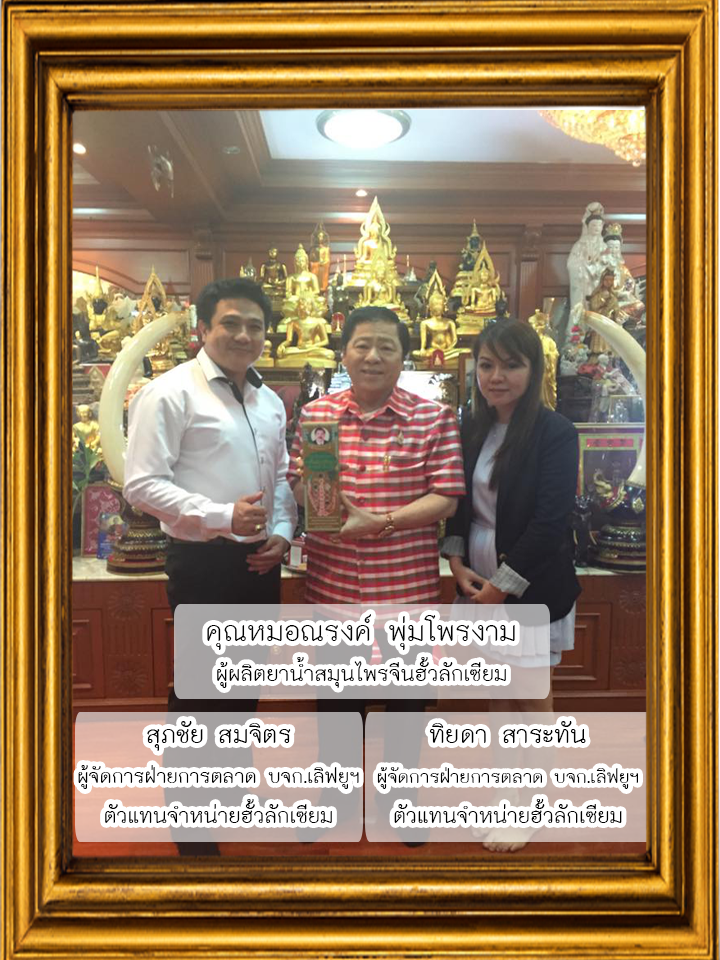
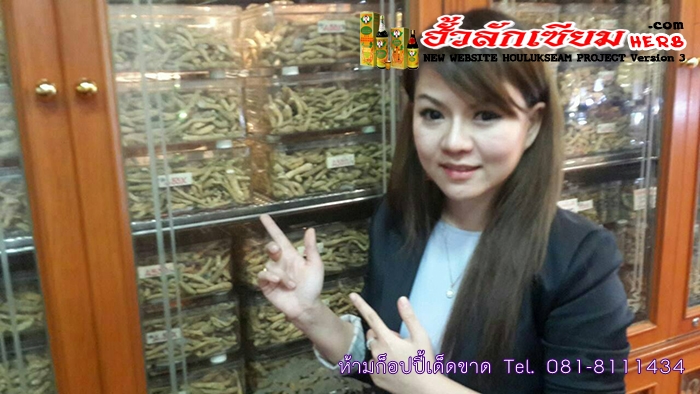
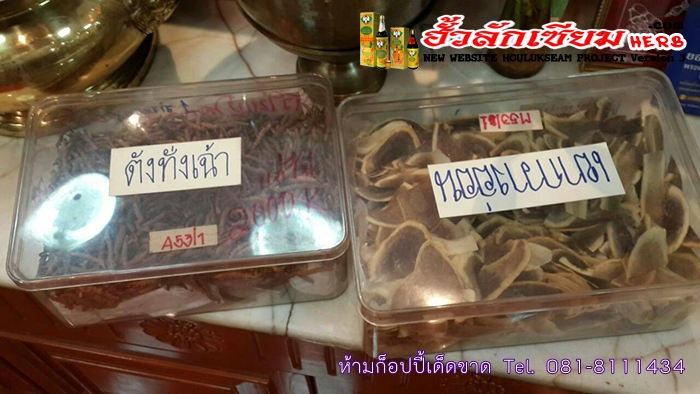
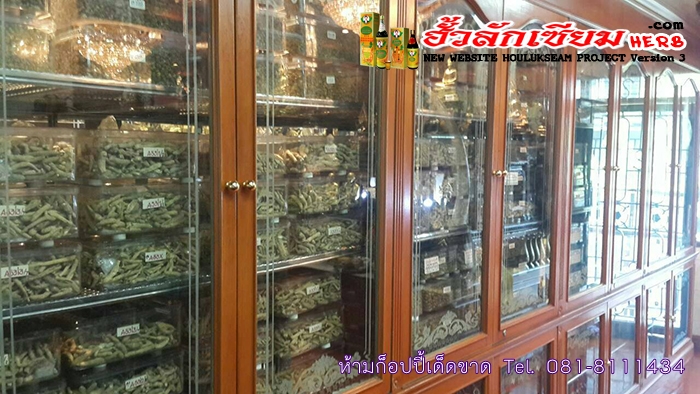
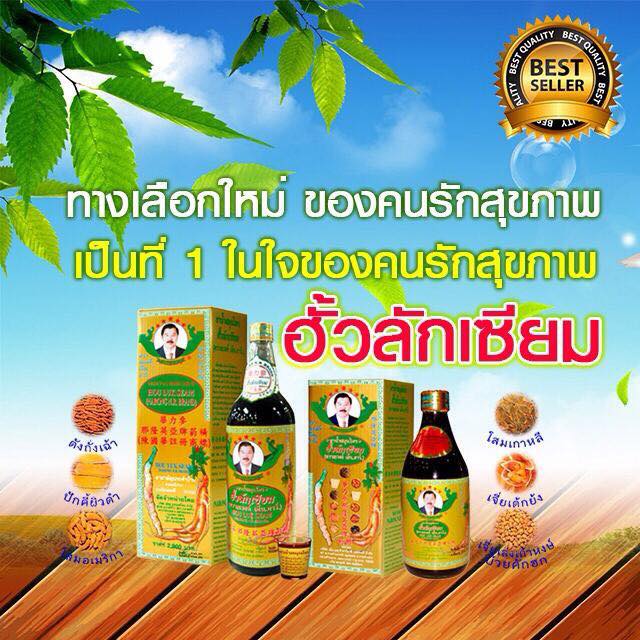
ฮั้วลักเซียม เป็นยาน้ำที่ผลิตจากสมุนไพรรวม 99 ชนิด ซึ่งแต่ละชนิดล้วนเป็นสุดยอดของสมุนไพร ซึ่งมีประโยชน์ต่อร่างกาย ตัวยาสำคัญเช่น ตังถั่งเช่า โสมอเมริกา โสมเกาหลี เห็ดหลินจือ เสกตี่ เขากวางอ่อน และตัวยาอื่นๆอีก ตามสูตรต้นตำรับของสมุนไพรฮ่องเต้จากประเทศจีน ผ่านกระบวนการผลิตจากโรงงานที่ได้มาตรฐาน จนมาเป็นยาน้ำสมุนไพรฮั้วลักเซียม
ฮั้วลักเซียม เป็นยาสมุนไพรน้ำดำ ที่สะอาด มีกลิ่นหอม รสหวาน รับประทานง่าย มีสรรพคุณเป็นยาบำรุงร่างกาย ดื่มได้ทุกเพศทุกวัย ตั่งแต่ เด็ก ผู้ใหญ่ ผู้ป่วย และผู้สูงอายุ ช่วยให้ร่างกายแข็งแรง
ฮั้วลักเซียม ไม่มีสารสเตียรอยด์ สารหนู หรือสารอันตรายอื่นๆ เจือปน โดยทุกขวดจะมีสติ้กเกอร์รับประกัน หากตรวจพบสารดังกล่าวเจือปน ผู้ผลิตยินดีให้ปรับขวดละ 1 แสนบาท คุณจึงมั่นใจได้ในคุณภาพของยาน้ำสมุนไพรฮั้วลักเซียม
บ้านของคุณหมอณรงค์ พุ่มโพธิ์งาม
ผู้ผลิตยาน้ำสมุนไพร ฮั้วลักเซียม